1. Introduction: Why Most Investors Forget to Breathe
Many investors, especially beginners, approach investing like a high-stakes battlefield. They check portfolios obsessively, panic at market swings, and tie their emotions to every move.
For CEOs, executives, and professional investors, the goal is different:
- Grow capital sustainably
- Manage risk effectively
- Preserve peace of mind
- Enjoy life while investing
Investing doesn’t have to be stressful. “Breathing simultaneously” means creating systems and habits that protect both your financial and mental health.
2. Start With a Strategic Plan
2.1 Define Clear Investment Objectives
- Target returns (annualized, monthly, long-term)
- Time horizon (short-term, mid-term, long-term)
- Risk tolerance (personal and portfolio-level)
CEO Insight: Treat investing like corporate strategy—you need objectives, KPIs, and a clear roadmap.
2.2 Diversification for Peace of Mind
- Spread capital across asset classes: stocks, bonds, real estate, ETFs, crypto, etc.
- Diversification reduces stress because no single event can collapse your entire portfolio.
2.3 Build an Emergency Cash Cushion
- Maintain 3–6 months of essential expenses
- This allows you to invest with confidence without panicking in market dips
3. Automate Where Possible
- Use automated investing tools like robo-advisors, automatic contributions, or recurring ETF purchases
- Automation reduces decision fatigue and emotional trading
- Allows your portfolio to grow steadily while you focus on your business or life
CEO Insight: Automation is like delegating operational tasks—it frees up your mental bandwidth without sacrificing results.
4. Risk Management is Breathing Room
- Allocate only a portion of total capital to high-risk investments
- Use stop-losses or portfolio risk limits
- Rebalance periodically to maintain risk profile
CEO Perspective: Risk management is like oxygen—without it, the system collapses.
5. Embrace Long-Term Thinking
- Focus on strategic growth rather than short-term gains
- Accept market volatility as part of the journey
- Avoid checking portfolios multiple times a day; schedule reviews weekly or monthly
CEO Insight: Long-term investing is like building a sustainable business—it grows steadily with minimal panic.
6. Use Passive and Semi-Passive Strategies
- Index funds, ETFs, and dividend-paying stocks allow you to earn while reducing monitoring effort
- Semi-passive strategies like value investing or sector rotation can enhance returns without constant stress
CEO Insight: These strategies let your investments work while you breathe—literally.
7. Mindset and Emotional Discipline
7.1 Detach Emotion From Decisions
- Avoid panic selling during market dips
- Avoid greed-driven over-leverage during rallies
7.2 Focus on Process, Not Price
- Track adherence to your strategy, diversification, and rebalancing schedule
- Let results follow the process, not emotions
7.3 Use Visualization and Breathing Techniques
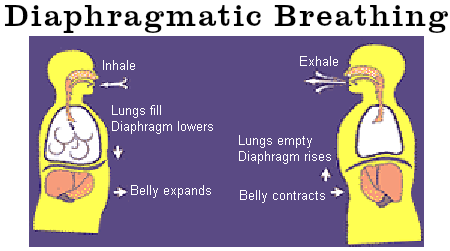
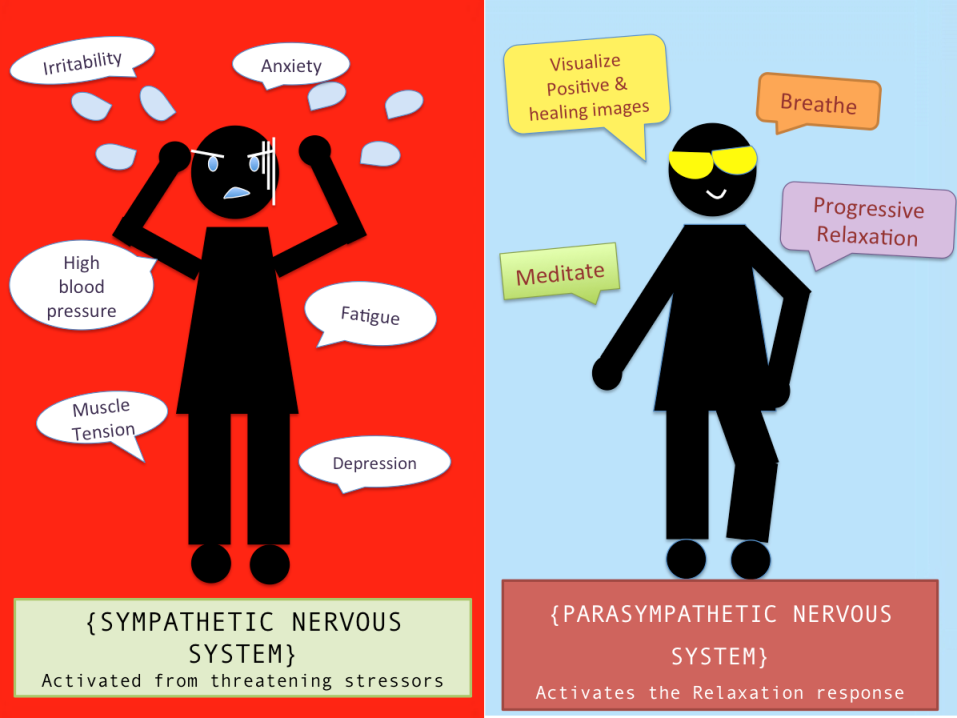
- Short mindfulness exercises or breathing breaks before major portfolio decisions can reduce impulsive behavior
CEO Perspective: Emotional discipline in investing is like executive self-management—you perform better when calm and rational.
8. Continuous Learning Without Overload
- Allocate fixed time weekly for market analysis, news, and strategy updates
- Avoid 24/7 obsession with news feeds or social media
- Learn from data, not noise
CEO Insight: Knowledge is power, but overconsumption creates stress and decision paralysis.
9. Tools and Frameworks to Stay Stress-Free
- Portfolio dashboards: Monitor metrics, allocations, and performance trends
- Automated alerts: Notify you only for critical events
- Scenario planning: Stress-test portfolio for market shocks
- Professional advisors: Outsource complex decisions while you focus on high-level strategy
10. CEO-Friendly Investing Routine
- Define financial objectives and risk profile
- Allocate assets strategically across diversified investments
- Automate contributions and investments where possible
- Set and forget: weekly or monthly portfolio review
- Monitor key risk metrics, not every market tick
- Document lessons learned, refine strategy quarterly
- Maintain emotional discipline and breathing breaks
“Investing wisely means building a system where your money grows while you live fully—no panic, no obsession, just strategy and discipline.”
11. Conclusion
Investing and breathing simultaneously is about process, discipline, and risk management. CEOs and professional investors can benefit from:
- Clear goals and diversified strategies
- Automation to reduce mental load
- Risk controls and rebalancing routines
- Emotional detachment and disciplined mindset
- Continuous learning without overload
When these principles are in place, investing becomes a stress-free, productive, and profitable activity.
Summary:
Well, you say you�re ready to being investing, on your own. No stockbrokers, no financial advisers, just you and the open market. What a thrilling prospect. Wait, are you seriously considering this proposition?
Please allow me to give some advice: Don�t do it. I speak with some experience, having lost my fair share in the �open market� as a do-it-yourself investor. The odds of success in this kind of investing are comparable to the odds of wining the lottery. It�s a crap s…
Keywords:
Article Body:
Well, you say you�re ready to being investing, on your own. No stockbrokers, no financial advisers, just you and the open market. What a thrilling prospect. Wait, are you seriously considering this proposition?
Please allow me to give some advice: Don�t do it. I speak with some experience, having lost my fair share in the �open market� as a do-it-yourself investor. The odds of success in this kind of investing are comparable to the odds of wining the lottery. It�s a crap shoot. Unless you are willing to take the time to investigate, investigate, and then do some investigation. Successful investing is not a privilege of the stock broker and the financial analyst, alone. It is an area open to voluntary participation from any walk to life. The catch here is that you must be knowledgeable, or you will lose.
Take the time to understand all the components of the investing arena, before you risk losing your nice little nest egg in ten minutes or less. What you have spent a lifetime saving can be gone in as little as ten minutes. Now, that should be a scary thought for any sane, rational, investor.
If you still intend to invest alone, here are a few tips and guidelines to help ensure your success. If you are going to invest, at least hire some form of investment professional to give you advice. It�s not necessary to let them do the investing, but use common sense, here. They know things you do not, and have not had time to learn.
Another piece of advice: if it sounds too good to be true, it is. Hands down, dream investments do not exist. If you know someone who acted on a friend�s great tip, you can bet that someone worked hard for that information, and it probably isn�t going to produce the mega return promised.
You must be patient when investing. Investing is like saving, it takes time to accumulate real returns. Don�t panic, take the time to step back and look objectively at your investment and the market indicators. Panic will cost you money. Hand in hand with the patience, there must be some read education about the investing process on your part. If you�re going to invest, take the time to learn the process, learn how to read a prospectus, how to calculate and distinguish a healthy business from one that is about to fold. Your knowledge will be your ticket to successful investing with a show of real returns.
It can be done, it is done everyday, by people just like you and I. You just need to understand the enormity of the commitment necessary to become a successful investor.

Tinggalkan Balasan